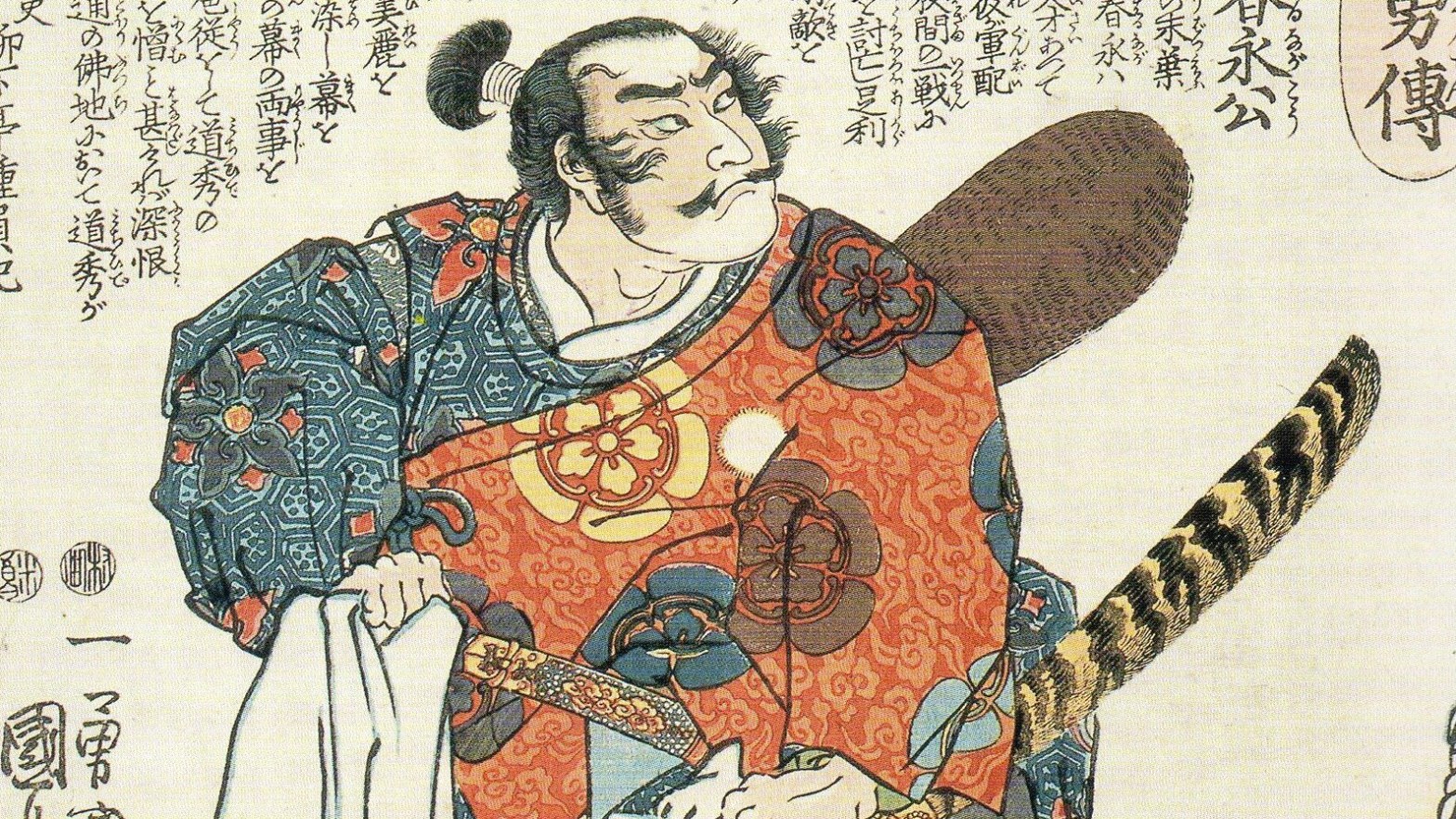
What is Bushido?
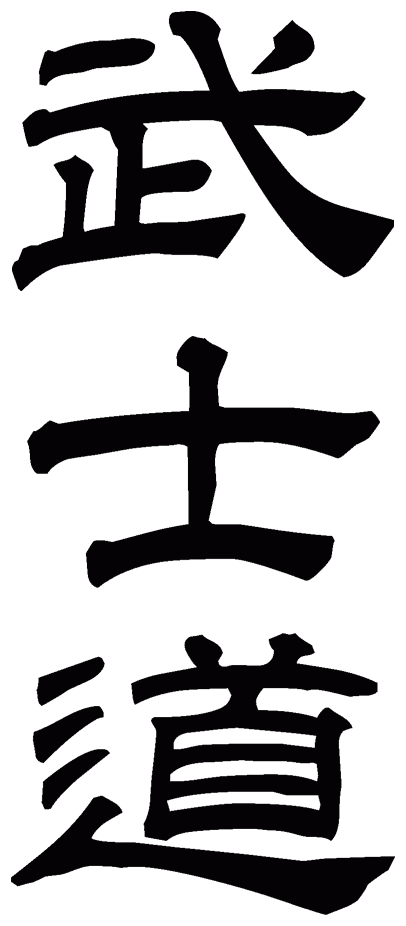
武士道 (Bushidō) means “the way of the warrior”. It is the moral code of the samurai, that controled every aspect of their life. It was born from Neo-Confucianism during the Edo period (1603–1868) end it developed until the 20th century. Bushido has undergone many changes throughout Japanese history, and various Japanese clans interpreted it in their own way. Luckily it was written down a few times, so we can talk about it and it’s general ideas today.
Altough I am a big fan of the Sengoku period, I wont talk about the Atcient and the Sengoku Bushido, I will focus more on the Edo and the Meiji Bushido, because these two are a better fit for the moden world.
Tents of Bushido?

Edo Bushido
- Sincerity – do not lie, do not be insincere, do not be superficial
- Responsibility – do not be obsequious
- Frugality – do not be greedy
- Politeness – do not be rude, do not slander
- Modesty – do not be boastful, do not be arrogant
- Loyalty – do not be unfaithful
- Harmony – be on good terms with comrades
- Tranquility – do not be overly concerned with events
- Compassion – show concern for one another, be compassionate, with a strong sense of duty.
Meiji Bushido
- Righteousness (義, gi) – be honest, belive in justice
- Heroic Courage (勇, yū) – do not live hiding in a shell, but do not come out blindly, but with intelligence and strength
- Benevolence, Compassion (仁, jin) – develope power that must be used good and help other at every opportunity or go out your way to find a way to help
- Respect (礼, rei) – True warriors have no reason to be cruel. They do not need to prove their strength. Warriors are also respected for their dealings with others
- Honesty (誠, makoto) – speaking and doing are the same action
- Honour (名誉, meiyo) – Warriors have only one judge of honor and character, and this is themselves.
- Duty and Loyalty (忠義, chūgi) – Warriors are responsible for everything that they have done or said and all of the consequences that follow. They are loyal and true to all of those in their care.
- Self-Control (自制, jisei) – in every aspect, like control your greed or anger.
Why I think you should follow it?
When I first read about Bushido, there was an interesting part in the article, that said, Japanese businessmen follow these tents. It got me thinking. I am a teacher and a networker and to be successful in both fields you have to follow these values, but after reading it for the second time I realised for a balanced life I should try to follow these as rules, cause I’ll have better social connections and a better reputation, both as a human being, a teacher and a businesswoman. Of course everyone inerpret these differently, but here is my interpretion:
- Righteousness (義, gi). Being honest and beliveing in justice will maje anyone a loveable and good leader. It’s all about trust. I can’t say i never lie, because sometimes I have to, but I know honesty will bring me further and make my relationships, any kind, stronger. I’m reading a book about Toyotomi Hidejoshi, one of the unificators of Japan. He was a big historical figure and a great samurai, and he achived a lot with being honest.
- Heroic Courage (勇, yū) is basically to come out of our comfort zone. Without risk there is no gain, but do it with intelligance. Like in investment. You wont have that money avaiable when you invest, and there is a chance you lose money, but you never invest more that you can afford and we usually do research on the thing we want to invest in.
- Benevolence, Compassion (仁, jin). I once heard that the biggest investment, is helping others. As a teacher, if I work for 20 years and I have 26 kids in my every group, I’ll teach around 180 kids. I will have some impact on 180 person. If I want to make a better world, If I want to live in a better community I have to start with myself, how I act, what I do, what model I give. Like in the song ‘Man in the mirror’ from Michael Jackson or like what was in the movie, Spiderman: No way home: “If you help someone, you help everyone.”
- Respect (礼, rei). If you want to be respected, you have to give respect. Treat everyone like you want to be treated. I do my job with a lot of respect and others like to work with me, because of that.
- Honesty (誠, makoto). If I say something, that I do something, than I’ll do it. I will never promise something that I can’t do. Sometimes I do, I’m not perfect, but at least I try. Also I wont ask something, that I wouldn’t do, like I wont say to anyone to don’t eat chocolate ever, because I do eat chocolate. I lead with example. I do what I want others to do.
- Honour (名誉, meiyo), which means, in my oppinion, that we have to reflect ourselfes and our actions and we are the only judge, so we are the only one we have to satisfie. I read once that we spend most of our time with ourselfes, so we have to be accepted a d satisfied with ourself.
- Duty and Loyalty (忠義, chūgi) and Responsibility are very important as a leader. As a teacher I’m responsible for every kid in my group, as a networker, I responsible for everyone in my team and my parents said, as a company owner they are responsible for every employee, so you can’t be a leader without responsibility and the more people, means more responsibility.
- Self-Control (自制, jisei). I see so many people who has a little bit more money, they spend it, or when they have something more speciel treat they eat it imediatly. Like the marshmallow test. If I wait I will have more and better. If I don’t spend my money on something that I don’t need, just want, and I invest it, I can buy more or better of that thing I want. I don’t buy things on full price, I wait for a cupon or a sale. Other way of self control is when I do something that I don’t want to do, but it will be good for me. I have a lots of self-control, but because I have clear goals.
I think if you read the tents again, you will figure out your own interpretation, which will be as good as mine, but I recomend reading them and thinking about them.
 My Choice